Dayton Script: The Flowing Handwritten Font for Elegant Designs
There's a particular quality that separates a good design from one that truly connects. Often, it's not the layout or the color palette, but the typography. A font carries personality, sets a tone, and can make a piece feel either cold and corporate or warm and personal. This is where a typeface like Dayton Script enters the conversation. It’s not just another script font; it’s a premium font designed to inject a sense of authentic, flowing elegance into any project it touches.
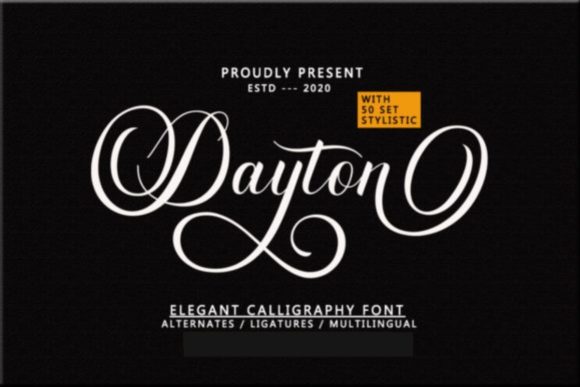
At its core, Dayton Script is a modern, handwritten font that feels both sophisticated and approachable. Its defining characteristic is the fluid, connected letterforms that mimic natural, confident penmanship. The varying baseline is a key feature, giving the text an organic, hand-lettered feel rather than a rigid, digital one. The smooth lines and carefully crafted strokes create a sense of movement, while the inclusion of gorgeous glyphs and stunning alternates provides designers with a rich toolkit for customization. This isn't a simple script; it's a creative font built for versatility and visual impact.
Where Dayton Script Truly Shines
Understanding a font's strengths is key to using it effectively. Dayton Script excels in projects where a personal, elegant, or artisanal touch is desired. Its flowing nature makes it a standout choice for specific applications across various creative fields.
Invitations and Personal Stationery
This is perhaps its most natural habitat. The font's elegant flow is perfect for wedding invitations, save-the-dates, and thank you cards. It immediately conveys romance, celebration, and a bespoke quality. Beyond formal events, it works beautifully for personalized stationery, greeting cards, and heartfelt quotes, adding a layer of warmth and sincerity that more rigid typefaces lack.
Branding and Logo Design
For businesses aiming to project an image of craftsmanship, care, and elegance, Dayton Script can be a powerful tool in their brand identity. It’s an excellent choice for logos in industries like boutique bakeries, florists, wedding planners, high-end artisanal goods, or luxury lifestyle brands. The font helps establish a brand personality that feels human, trustworthy, and detail-oriented. However, it’s crucial to consider context; a law firm or a tech startup might find it too casual for their primary wordmark.
Editorial and Packaging Design
In editorial design, a display font like Dayton Script can create stunning headlines for magazine features, blog post titles, or pull quotes that draw the reader's eye. Its high-impact style ensures it stands out without needing excessive size. Similarly, in packaging design, it can elevate a product by suggesting quality and care. Think of the script on a gourmet coffee bag, a handmade soap label, or a boutique candle box—it immediately tells a story about the product inside.
Practical Guidance for Designers and Creators
Choosing a font is a strategic decision. Here’s how to approach using Dayton Script to ensure it enhances, rather than hinders, your project.
Evaluating Project Fit and Readability
First, assess the project's goal. Is the primary aim to convey elegance and a personal touch? If yes, Dayton Script is a strong candidate. Next, consider readability. As a script font with connected letters, it is best suited for headlines, logos, and short phrases. Using it for long paragraphs of body copy would severely compromise legibility. For body text, always pair it with a highly readable serif font or sans serif font. The contrast between the flowing script and a clean, simple companion font creates a dynamic and professional visual hierarchy.
Exploring Font Pairings and Included Styles
A great font pairing balances personality with clarity. A classic combination is Dayton Script with a neutral sans serif font like Montserrat or Lato for a clean, modern look. For a more traditional or editorial feel, pairing it with a timeless serif font like Playfair Display or Georgia works wonderfully. Before starting a project, explore the full character map of Dayton Script. The alternates and glyphs are not just extras; they are essential design assets that allow you to customize ligatures and swashes, ensuring your text feels unique and avoids repetitive, cookie-cutter typography.
Understanding Commercial Use and Licensing
Dayton Script is a commercial font, which typically means it requires a license for use in projects intended for sale or for client work. Always purchase the appropriate license from the foundry or authorized reseller. This not only ensures you are legally compliant but also supports the typographers who create these valuable tools. The license often grants you access to updates and the full suite of features, making it a worthwhile investment for any serious designer or business owner.
Conclusion: More Than Just Letters
Ultimately, Dayton Script is more than just a collection of glyphs. It's a design asset that communicates emotion and brand values through its very form. Its elegant, flowing nature offers a direct path to creating designs that feel personal, sophisticated, and memorable. By understanding its strengths and applying it thoughtfully—respecting its role as a display font and pairing it wisely—you can leverage this modern typography tool to significantly elevate your creative projects, strengthen your brand identity, and engage your audience on a more human level.